
TODAY’S READINGS
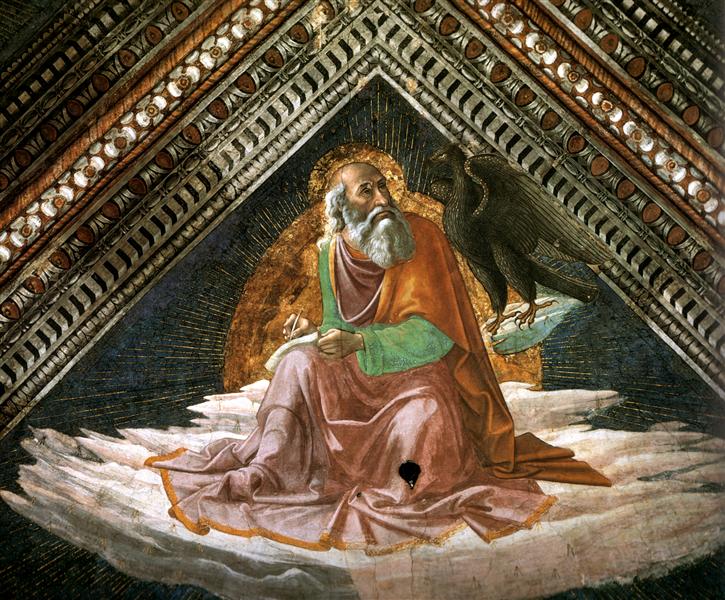
The first reading is from 1 Jn 1:1-4, the prologue of John’s first letter which echoes the prologue of this same Apostle’s Gospel. Let us focus on a key word, rendered in Greek above:
[W]hat we have seen and heard
we proclaim now to you,
so that you too may have fellowship with us (v. 3)
“In the New Testament the Greek word koinōnia is translated in a variety of ways: ‘sharing,’ ‘partnership,’ ‘contribution,’ ‘participation,’ ‘communion,’ and ‘fellowship.’ It can refer to the sharing of money and material resources within the Christian community (2 Cor 8:4; 9:13; Heb 13:16). It is used to designate the common life shared by the first Christians in Jerusalem after the outpouring of the Holy Spirit: ‘They devoted themselves to the teaching of the apostles and to the communal life [koinōnia], to the breaking of the bread and to the prayers.’ (Acts 2:42). Koinōnia also applies to our relationship with the persons of the Trinity: we are called to ‘fellowship with Jesus Christ’ (1 Cor 1:9); we jointly share ‘fellowship’ with the Father and the Son (1 John 1:3, 6); and Paul prays for an increase in: ‘communion’ with the Holy Spirit (2 Cor 13:13 NRSV). Paul also speaks of our koinōnia (‘participation,’ ‘communion’) in the body and blood of Christ in the Eucharist (1 Cor 10:16). When we have koinōnia with God, we share in his life and power; when we have koinōnia with one another, we place our lives in common and share our resources as brothers and sisters. In 1 John, koinōnia describes both our fellowship with God and with one another — a rich communion of life and bonds of love that are meant to characterize the faithful.” (James, First, Second, and Third John [Catholic Commentary on Sacred Scripture], 140)
Wow, the term koinōnia encompasses a lot doesn’t it — really, every relationship we have: natural and supernatural. The first sentence in the quote above lists six translations of koinōnia. It seems to me that a good exercise is to consider our relationship with God and our fellow humans by working through each of these possibilities and see how we measure up. What of us do we share with God? Are we willing to share with others? Are we partnering with God in His mission here on earth? Do we consider ourselves partners (“accompaniers”) of our fellow man in leading them to the fullness of truth? You get the picture.
John tells us that he is conveying what he has “seen and heard.” What did he hear? Jesus said, “Love one another as I have loved you” (Jn 13:34). The Apostle John was famous for endlessly repeating to his disciples, especially in his frailty near the end of his life, “My little children: love one another (see 1 Jn 3, as well).” Always, or even often, easy? Certainly not. An absolute requirement of the Christian? Definitely so.
As an interesting aside, what about the “other disciple” in today’s Gospel? Check out this article for a breakdown of the “beloved” and “other” disciple in John’s Gospel — you may be surprised.
I close with a fine article written just for today’s feast.
St John, Apostle and Evangelist, ora pro nobis!
God bless.
 Unworthy Servant